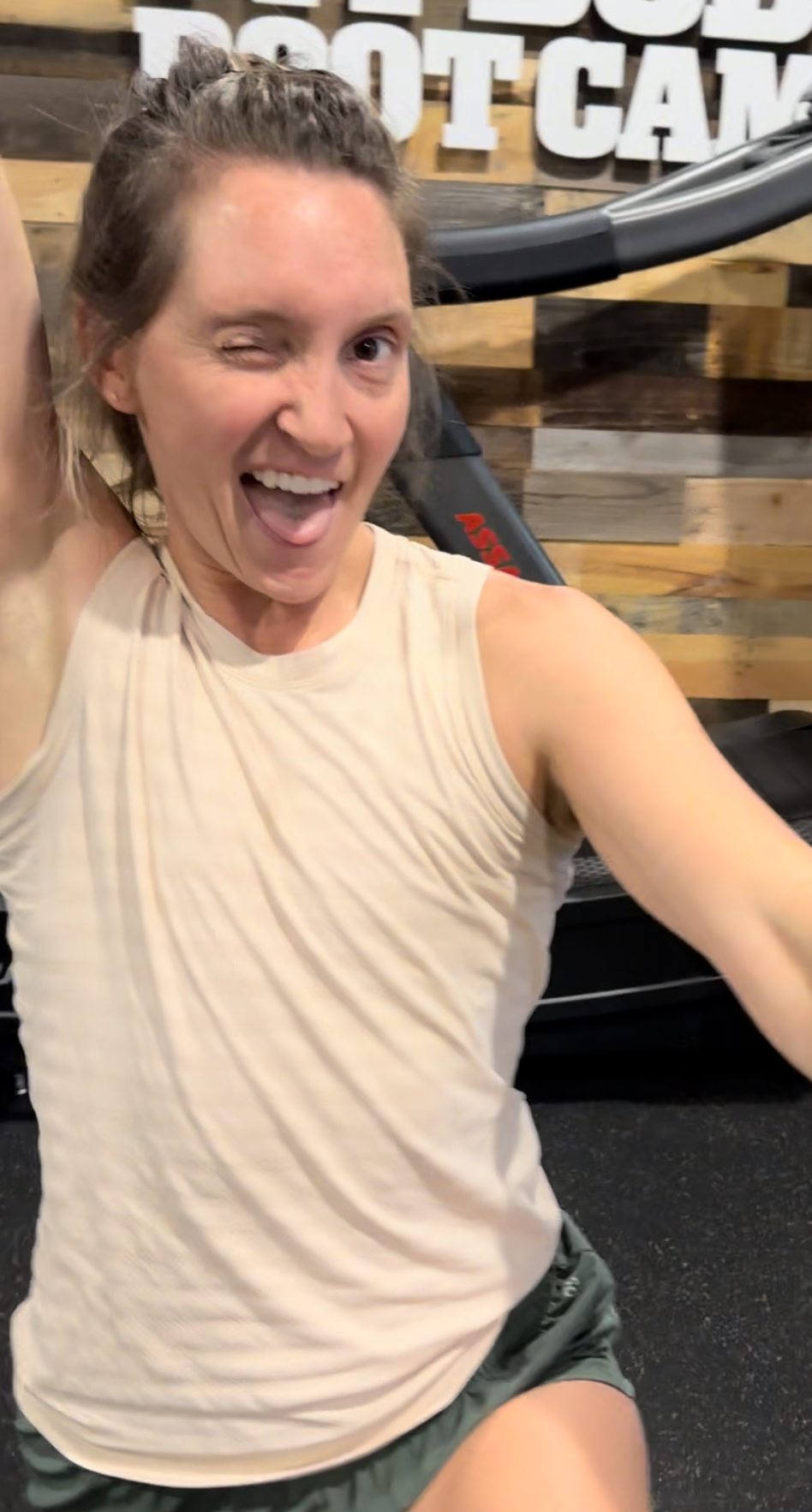

Getting back in the weight room after each surgery was the hardest. I was restless, sure. But I was also really tired. My body had been through a trauma after all.
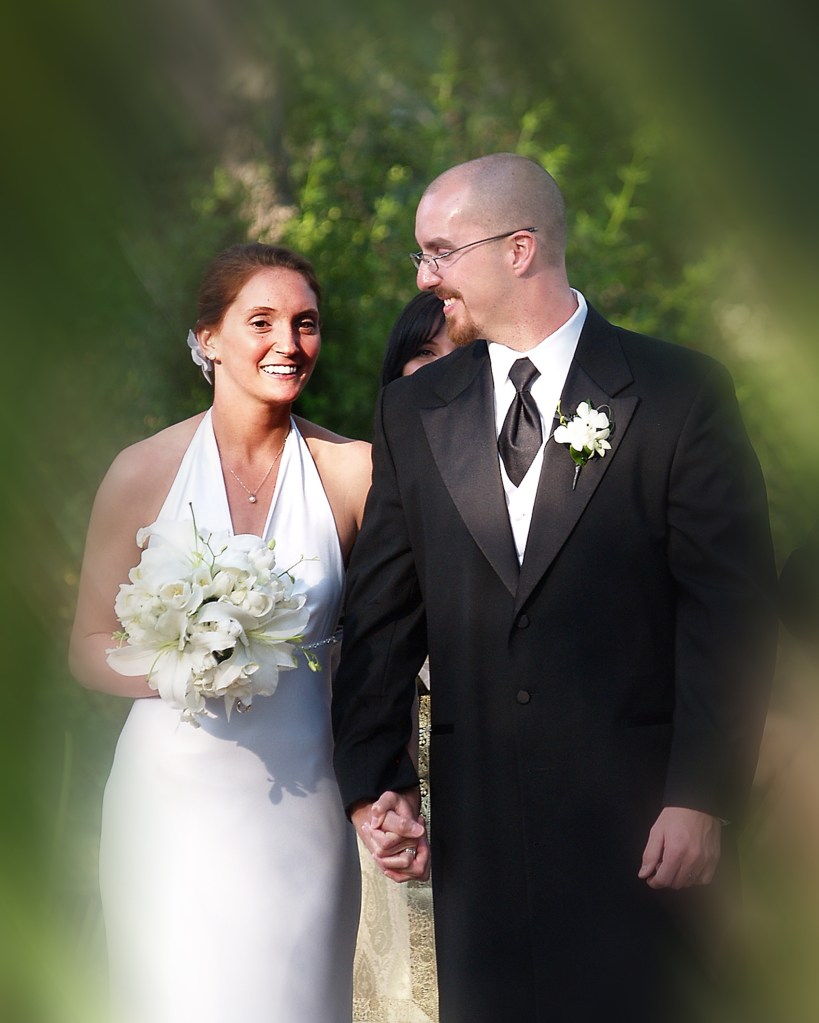
Back Story: Being a life long active, ball to the wall kind of person, one of the first questions I ask prepping for surgery is “what is the recovery like, when can I move and get back to the gym?” My husband, Rob and I own a personal training studio focusing on the older population and those with limitations. We met in college, he had just graduated and came back to coach the throws (track and field) team and I had finished up playing softball and still had eligibility so I decided to switch to throwing the javelin. Because we met in coach/athlete capacity I’ve trained with him ever since and would be hard pressed to ever train with anyone else. He truly is the best. He was a hammer thrower and inches from the olympic trials. After years of destroying his body trying to reach his goals and lung cancer, thyroid cancer, hip replacements and more he knows how to recover and how to train WITH limitations.
Okay, so…. Pre-surgery, my goals are always to get as strong as possible. With more strength and muscle mass recovery is MUCH easier. Your body bounces back quicker, you have more strength to move around when part of your body is on the IR (Injured reserve). So the weeks leading up to surgery are filled with heavy resistance training. Breaking down (in a good way) the muscle and allowing it to rebuild stronger than before.
Post surgery, my goal is to survive the first couple of weeks. The first few days are nice. Pain meds and sleep with a dose of relaxation. Then, my body starts to ache because it isn’t used to sitting for so many hours and days in a row. I like to start slowly as I know with increased heart rate and blood flow the risk of blood clots increase. So, I start by doing more around the house, like getting my our tea or snacks.

At two weeks, one is typically cleared to start going for walks or body weight (slowly) exercises. I start by walking our driveway (it’s kind of long) and some basic sit to stands. I mean, I’m already standing up off the couch anyway. So, this just takes that to the next small level.
Next, comes working some super light upper body or lower (depending on the surgery) weights, more range of motion type stuff. With the hysterectomy, this was the hardest part. I was already feeling so good. I wanted to get after it. But since they extracted the uterus through my vagina and sewed up the cervix my doc (rightfully so) was worried about it “blowing out” (my words 😉) exposing my whole abdominal cavity to the outside world. I had to wait 8 weeks to lift unrestricted, maybe more. lol. She knew I liked to push hard.
With the mastectomy, I was more afraid of ripping the stitches holding the implants in place. So I kept my arms super close to me and protected. This lack of range of motion may have made me feel better in the moment, but it extended my recovery. We are all going to take different paths and no one is right for everyone. So do what you feel comfortable with.
Bottom line, movement is life (and not just in the zombie movies). IN REAL LIFE! Never stop moving, never let a surgery be your reason to throw in the towel. Let it be the motivation, the reason you continue. No one can hold you down, only yourself.
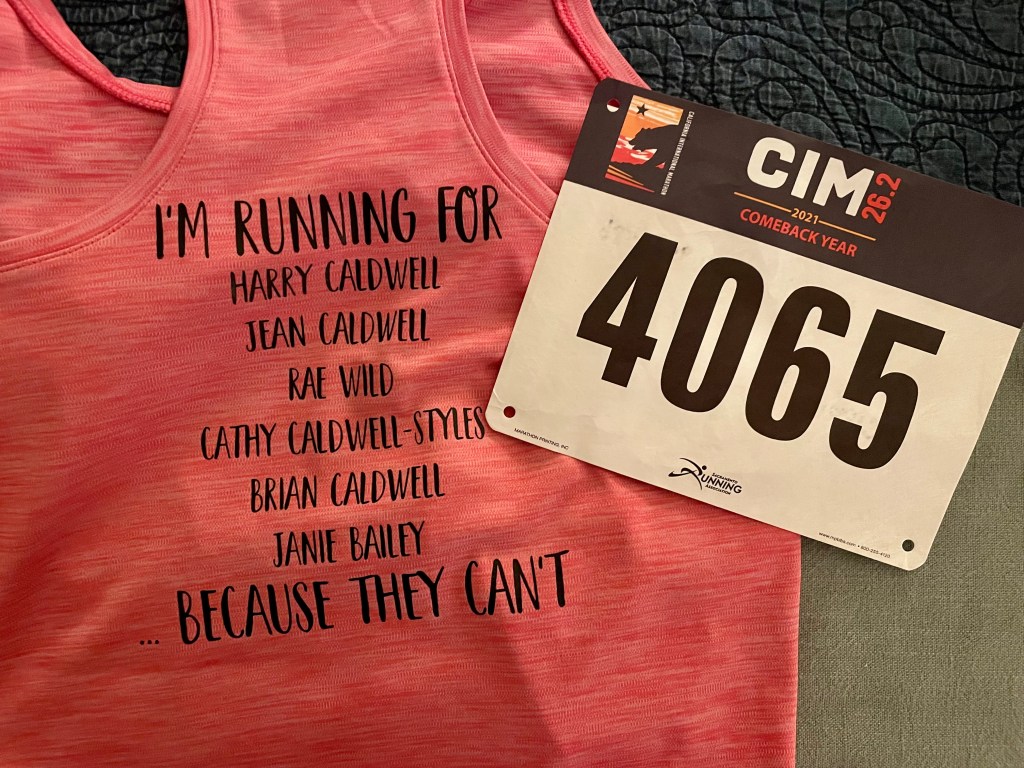
I used the first mastectomy with reconstruction to train for CIM (California International Marathon). I ran it in my fastest marathon time and proudly crossed the line with my families names on my shirt.
Every surgery is just a single part of your journey, it can define you in one of two ways: it can be the reason to quit or the opportunity to succeed!
Take the opportunity. It is time to thrive.


 livingflatandstrong.com
Leave a comment